Our proud history.
We are proud of our heritage dating back to the 1800s. Built on trust, expertise and strong foundations, we have grown through lasting partnerships and a commitment to progress. These values continue to guide our forward-thinking approach as we evolve alongside our customers and marketplace.
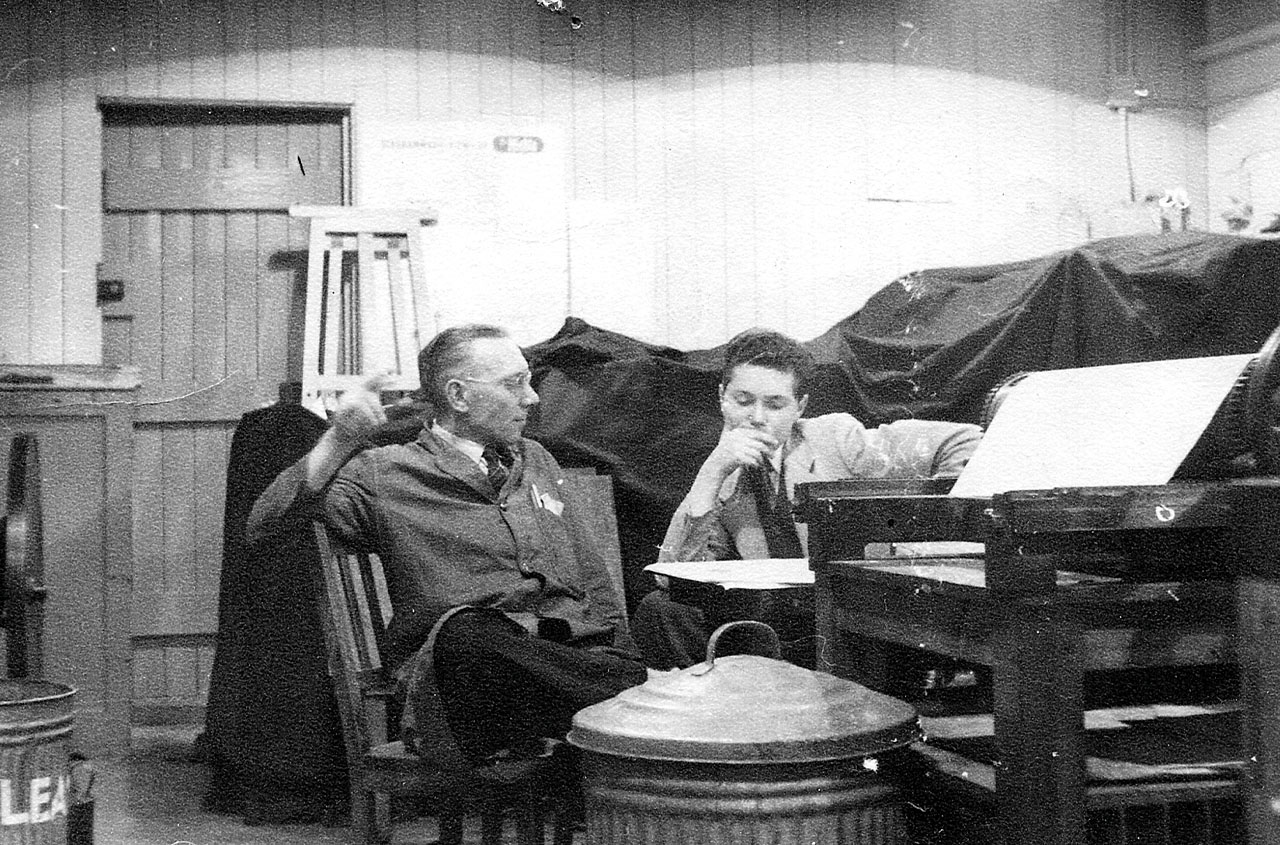
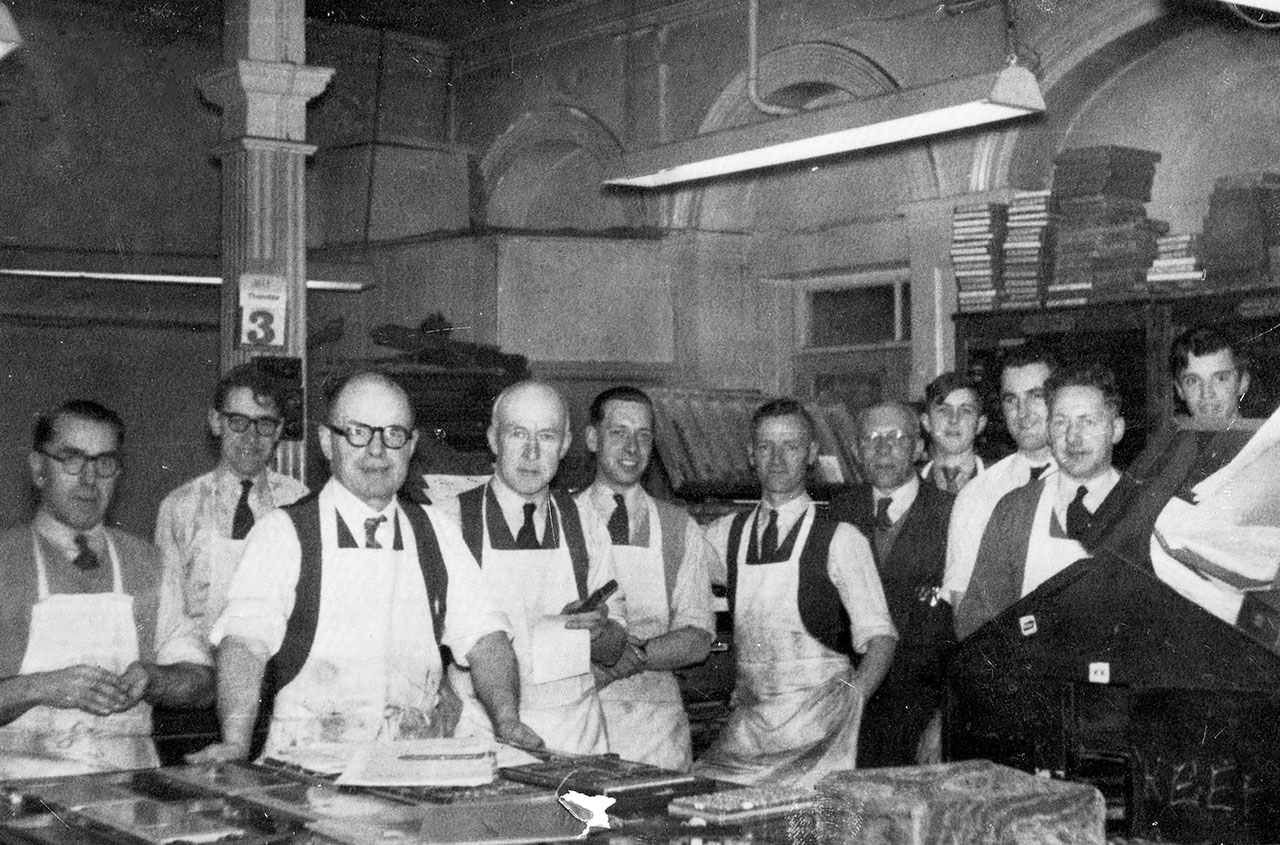
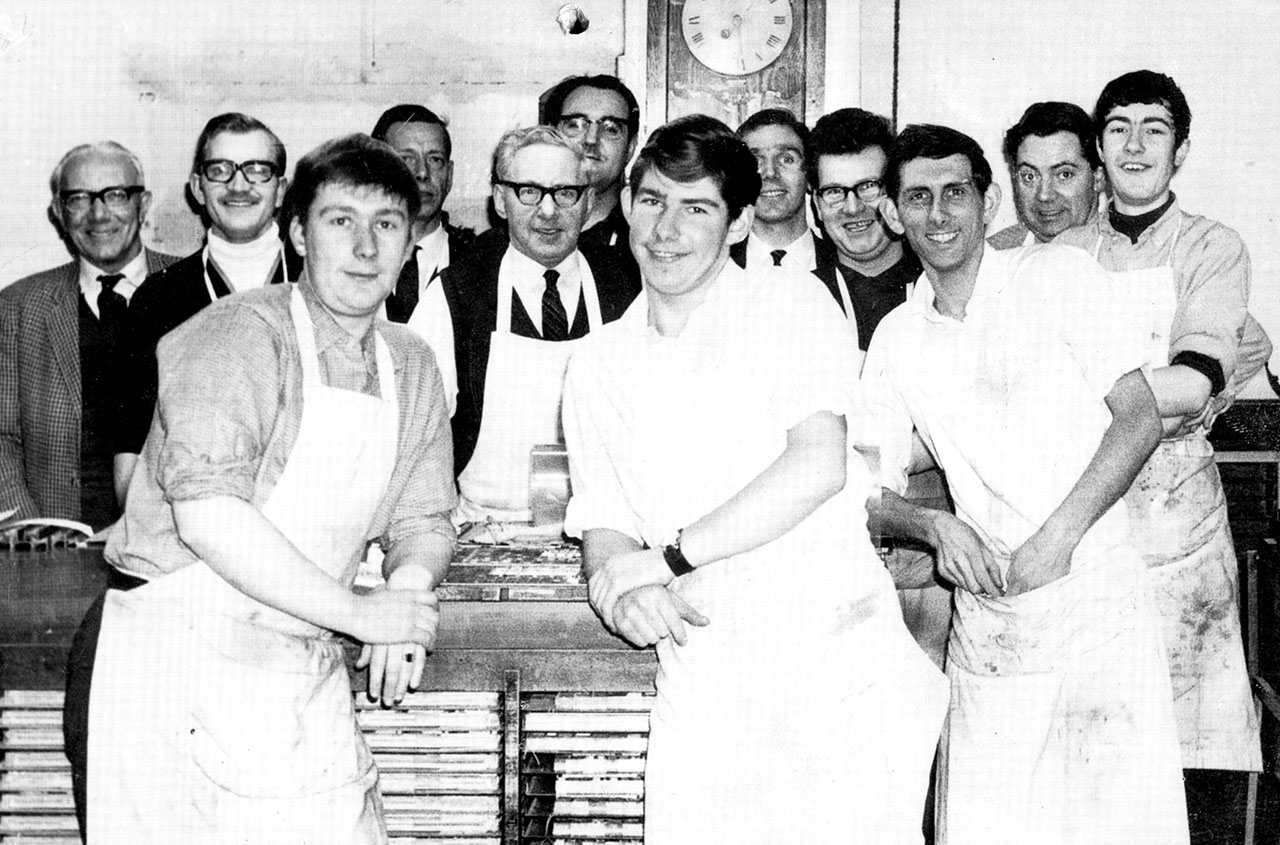
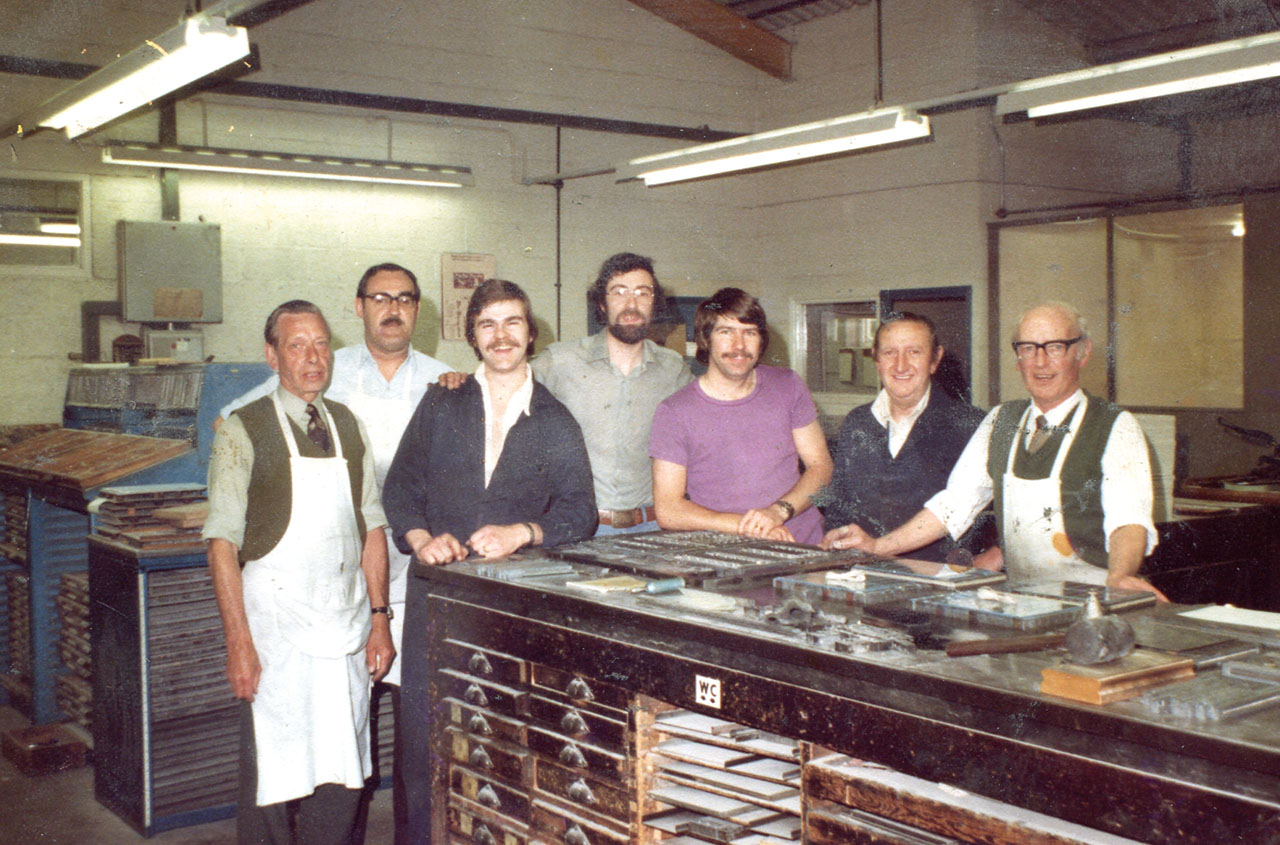
1880.
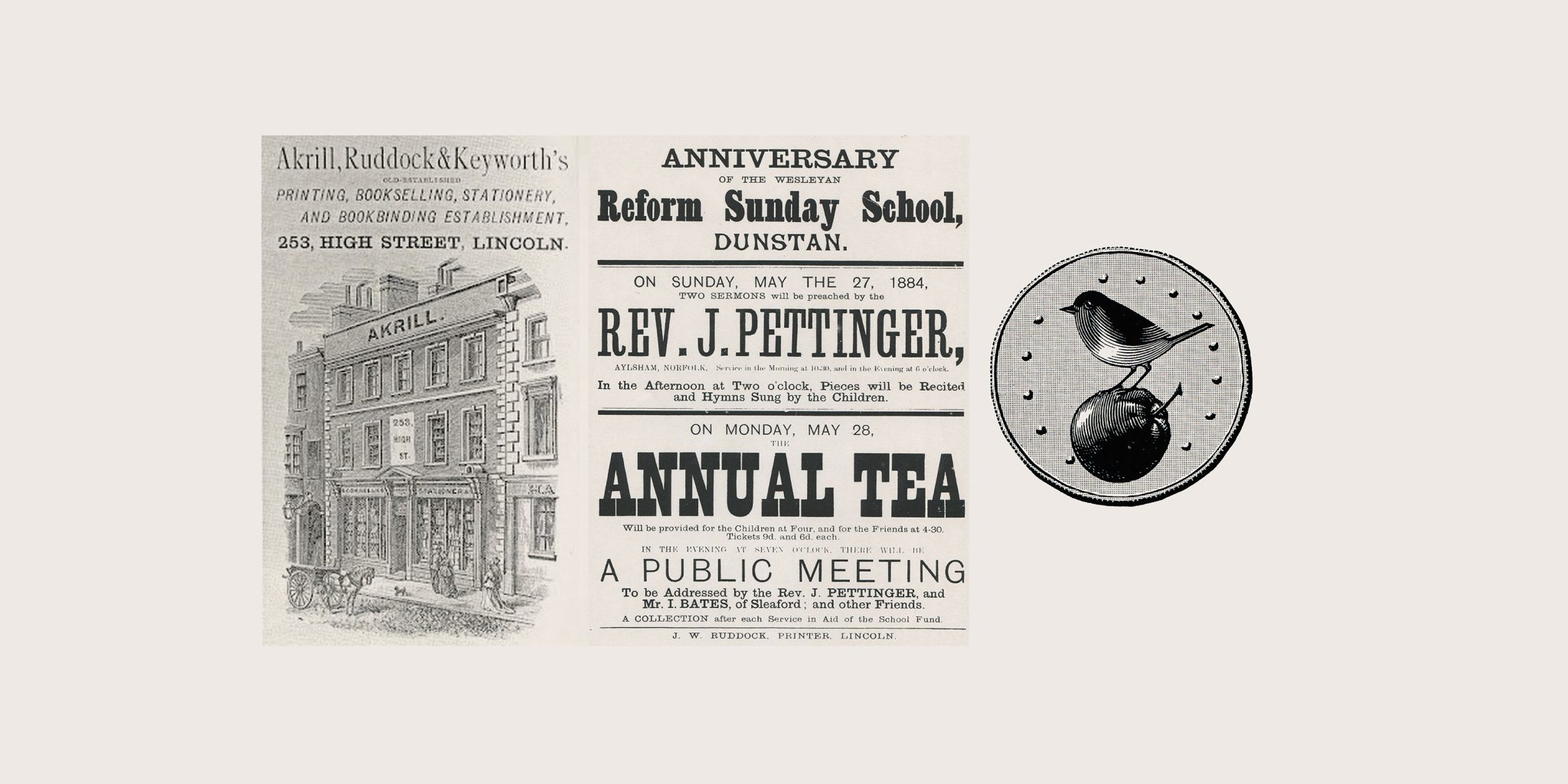
John William Ruddock (JWR) came to work for Charles Akrill in 1873 after serving an apprenticeship at a printing firm and in 1880 set up his own printing business at 333 High Street, Lincoln. Surprisingly, he was helped to do this by Charles Akrill.
Four years later, Charles Akrill’s only son died, and he sold his own business. J W Ruddock and E Keyworth (who had worked for Charles Akrill for many years) bought the printing business jointly, and J W Ruddock bought the stationery business, which continued to trade from 253 High Street.
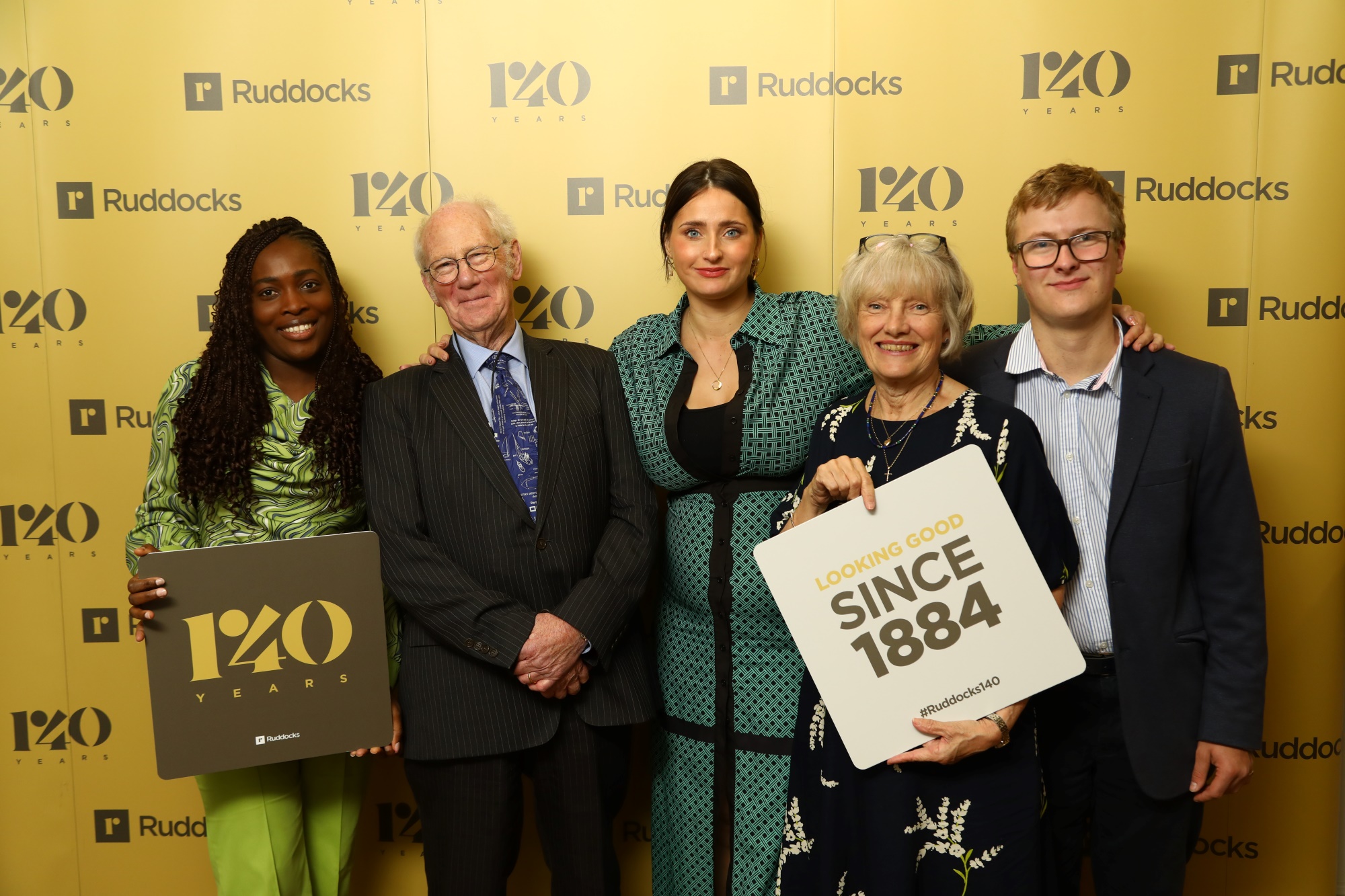
1884.
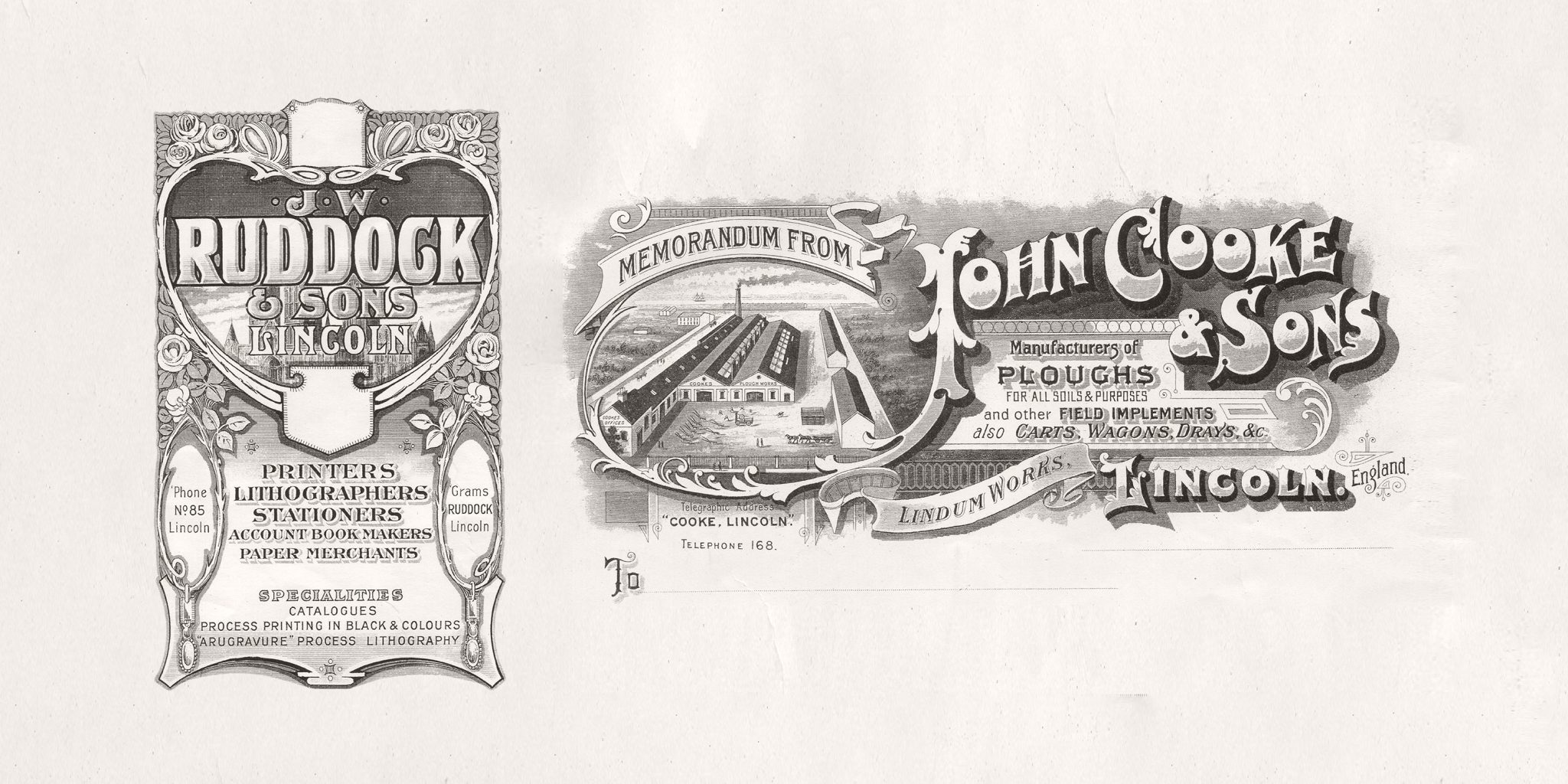
A boom in engineering and manufacturing saw Ruddocks being called upon to print catalogues for agriculture, railway and motive power products.
Printing was spread across three different sites while the shop was in another. In 1904, JWR bought 286/7 High Street to have both businesses under one roof. The Silver Street property was sold soon afterwards.
Having gained sole ownership and having consolidated the business at 286/7 High Street, J W Ruddock was in a position to develop the business. He then retired in 1911, leaving the business to his two sons.
1920.
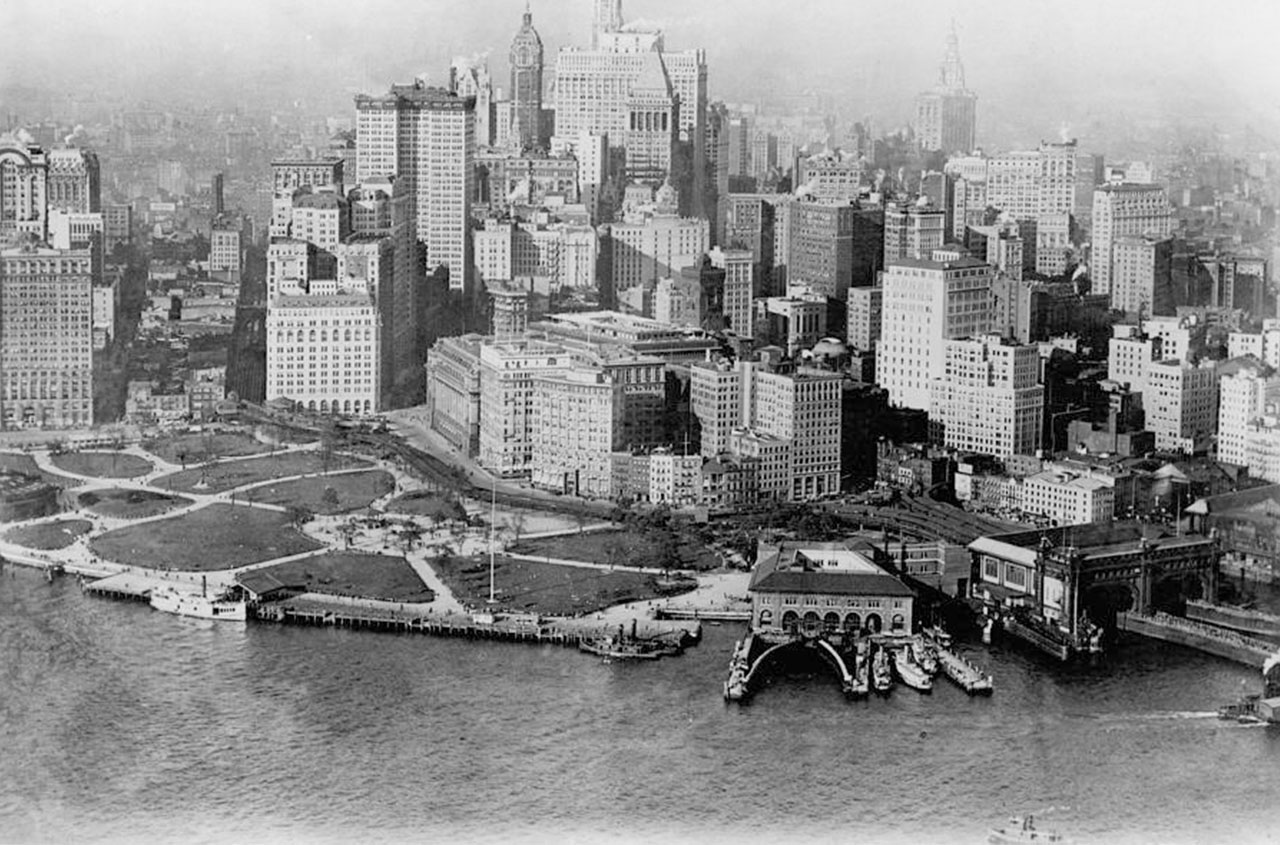
The business carried on through the Great War and despite injuries to J H Ruddock and one of the managers Mr Field, Ruddocks began to expand in the wake of pre-war success. A London office and shop had already been purchased from Hazell, Watson & Viney in 1914. This was followed by an office in Birmingham and even one in New York.
Unfortunately, the New York office didn’t continue past the 1930s depression and the London shop suffered a direct hit in the war and didn’t re-open.
1935.
J W Ruddock & Sons, printing and bookshop, survived the war and whilst the great depression hit Britain hard with unemployment rising to a high of 30%, there was opportunity for businesses to take control and help revitalise the British economy.
The advent of electricity and a new approach to regain trade by satisfying the needs and wants of customers saw direct mail become one of the foremost products of the company, with several copywriters being employed.
J D Ruddock ran the printing side while J H Ruddock ran the shop in 1937.
1945.
In 1945, J G Ruddock (JGR), grandson of JWR returned from the war to find that not much had changed and there was no specific role for him in the business at that time.
The advertising industry in post war Britain really took off, fuelled by the growing influence of US culture and success stories of the brands’ that were fast becoming household names. Realising the importance of sales for the business JGR started an advertising agency which enjoyed enormous success during the 1950’s and he ran this business until he gained control of Ruddocks in the 60s.
1950.
As with most printers’ a stationery shop complemented the business however the printing works, still at the back of the shop, was becoming more cramped and difficult to operate. The printing side had developed its own customers, while the shop had found its own suppliers, so the two were less connected, if at all.
Compositors & typesetters formed the largest group of craftsmen in the printing industry during the 1950’s, however on the cusp of a technological revolution that was soon to dramatically reform the printing industry, this was set to change.
1969.
In 1969, JGR built a new printing works on Great Northern Terrace in Lincoln which initially had a dozen letterpress printing presses. We are still located at this address today!
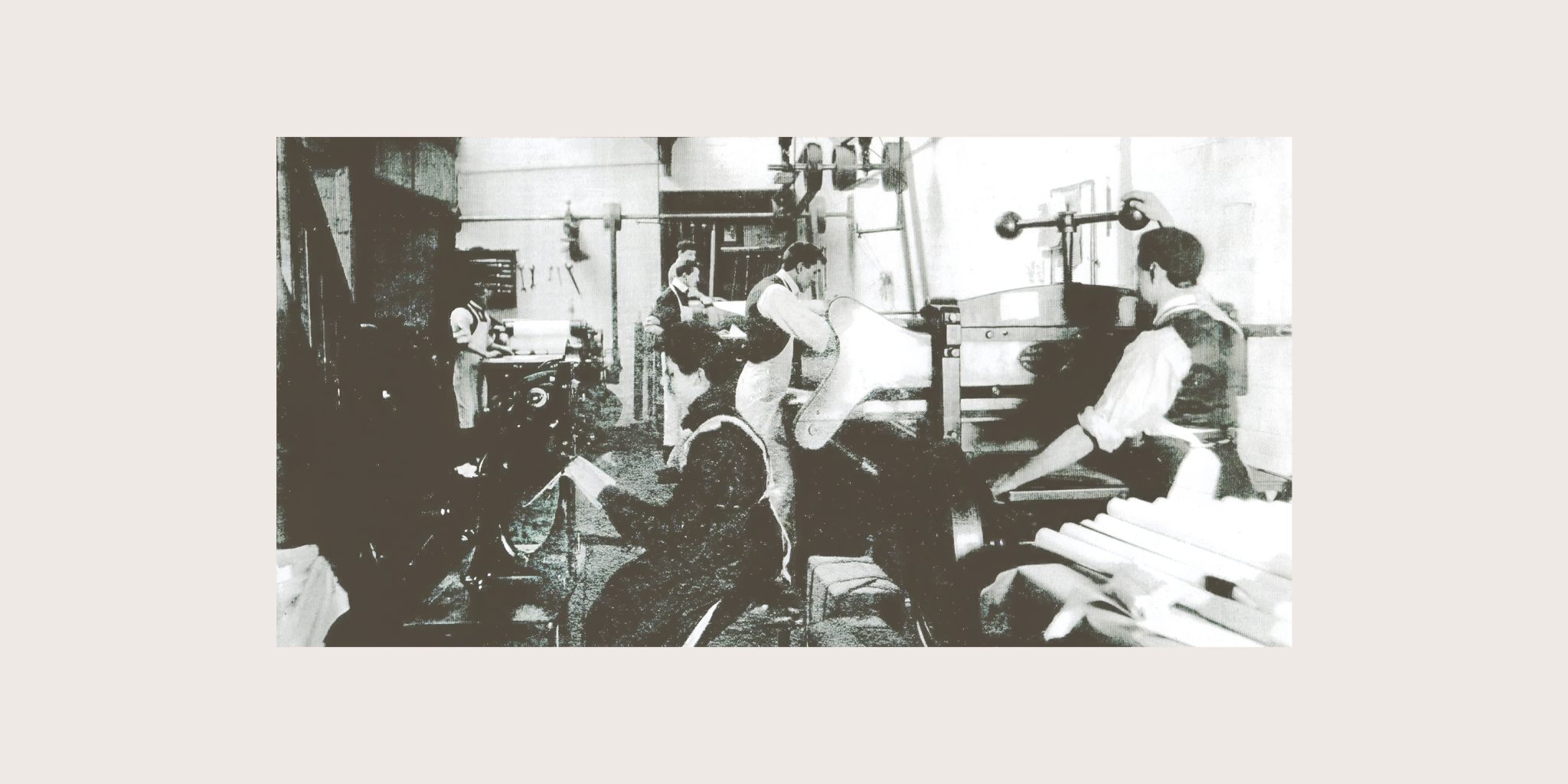
Printing was achieved by setting up type (in reverse), inking it and pressing paper onto it to achieve a true impression. Mechanisation was achieved by a machine which stamped out letters and most of the machines were single colour, so anything requiring more than one colour had to be printed three or four times.
1970.
All our printers undertook an extensive 6-year apprenticeship and two of the printers who went through the process during the 1970s are still with us today.
This era saw the decline of hot metal presses and the business began looking at investment in offset litho technology. Two of the Heidelberg Cylinder and Platen presses were eventually converted into print finishing machines which we still use today and are a constant reminder of the impressive journey the print industry and Ruddocks have travelled together.
1980.
The introduction of offset litho printing was eventually achieved in the 1980s. One aspect of this was a large format camera that could take pictures of artwork directly which were printed onto plates after colour separation.
‘Large’ because the body of the camera was actually a room about 5m x 3m which included film development facilities.
The Thatcher recession at the end of the 1980’s caused concerns for many local businesses including Ruddocks but the continuation of loyal custom and the Ruddocks drive to overcome challenges powered the business through uncertain times.
1990.
The large camera was replaced with image setting film, meaning for the first time we moved from manual to an electronic artwork processing.
A new production manager by the name of Paul Banton joined us; he would later become our managing director who drives us forward to this day.
Instruction manuals were a big part of our business, we produced them for household names such as Philips and also for the first videogames of the Tomb Raider series.
2000.
The 2000s were a transformative decade for Ruddocks. Our design studio expanded from print design into a full creative service, including branding, marketing campaigns and websites, as client demand grew. At the same time, the digital revolution led to a major expansion of our digital print department.
Sustainability also became a priority, with Ruddocks becoming one of the first UK printers to achieve ISO 14001 in 2008 and FSC® certification in 2009. The decade concluded with the acquisition of a digital printer in Essex in 2010, extending our reach into the South East and opening opportunities with sectors including the NHS and national charities.
2011.
Several major project wins during this period shaped a new approach to how we worked with clients, focusing on deeper partnerships and encouraging organisations to think differently about their goals. A key milestone was our first full website commission for Lincoln Cathedral, alongside the “View from St Hugh” campaign supporting restoration of the cathedral’s west front.
In 2012, we created a new brand for the city through the Visit Lincoln Partnership, marking our move into full-scale brand development. At the same time, we invested heavily in our capabilities, including a £900,000 lithographic press upgrade in 2011, expansion of our design studio, and bringing large-format digital print in-house in 2013.
2016.
The future has always been a key focus for our business and the skills we develop in-house to support it. In 2016, we launched our Emerging Leaders Programme to nurture future leaders from within our team. To better understand our reputation, an independent survey awarded us a Net Promoter Score of +82, placing us firmly in the world-class category for customer loyalty.
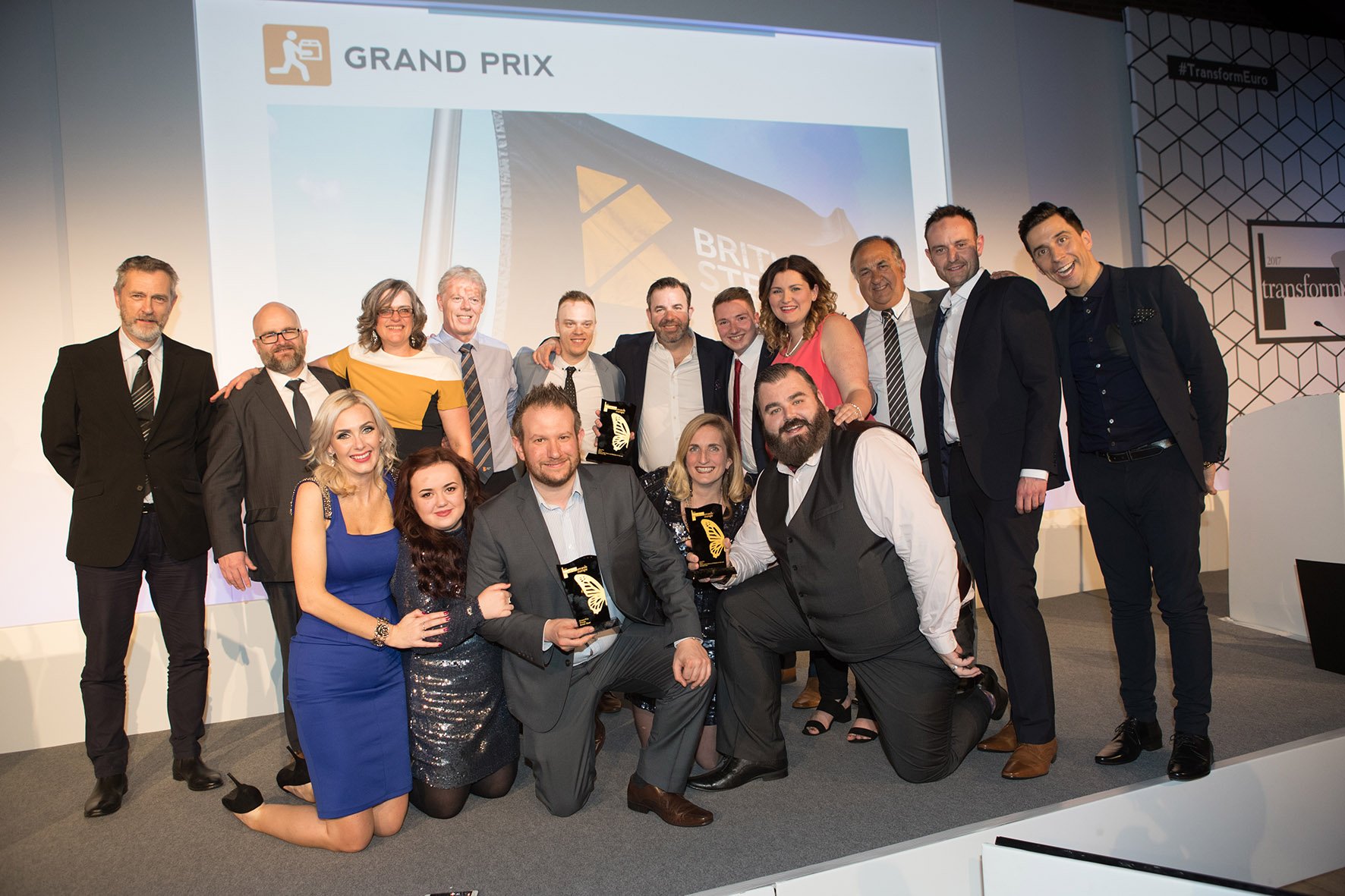
The year also saw the launch of the British Steel rebrand, which later won seven industry awards at the 2017 Transform Awards Europe and CIPR Excellence Awards. These successes led us to strengthen our marketing focus and launch the Ruddocks Marketing Excellence Scholarship with the University of Lincoln.
2019.
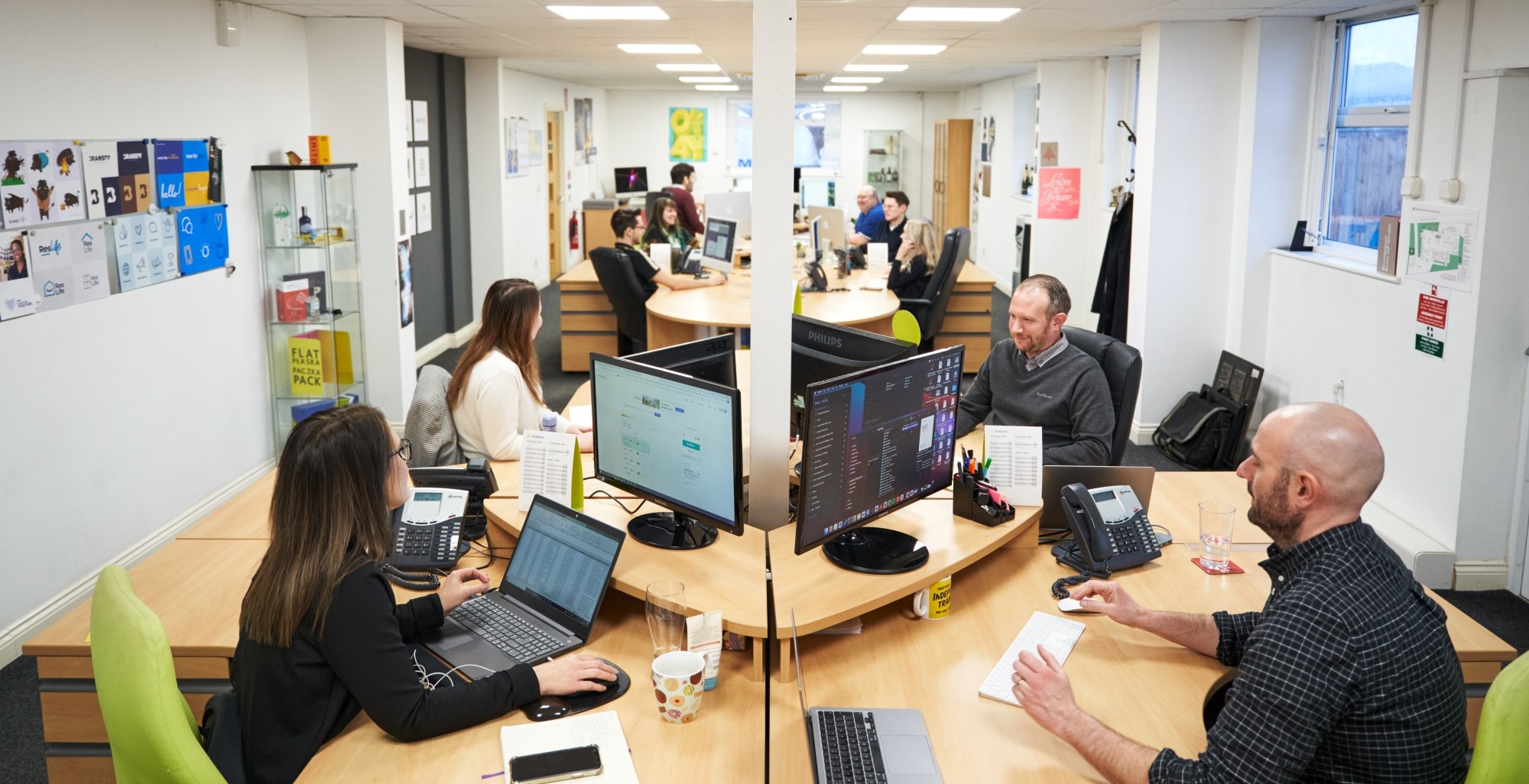
By 2018, our design studio had evolved from a traditional graphic design service into a modern, integrated design and print agency, delivering added value through consultancy and combined creative and print expertise. That year, we launched a new website and introduced a Management Information System to support continued growth.
We also expanded into new areas, including internal communications and training, while beginning partnerships with organisations such as Macmillan Cancer Support, Greencore and British Canoeing.
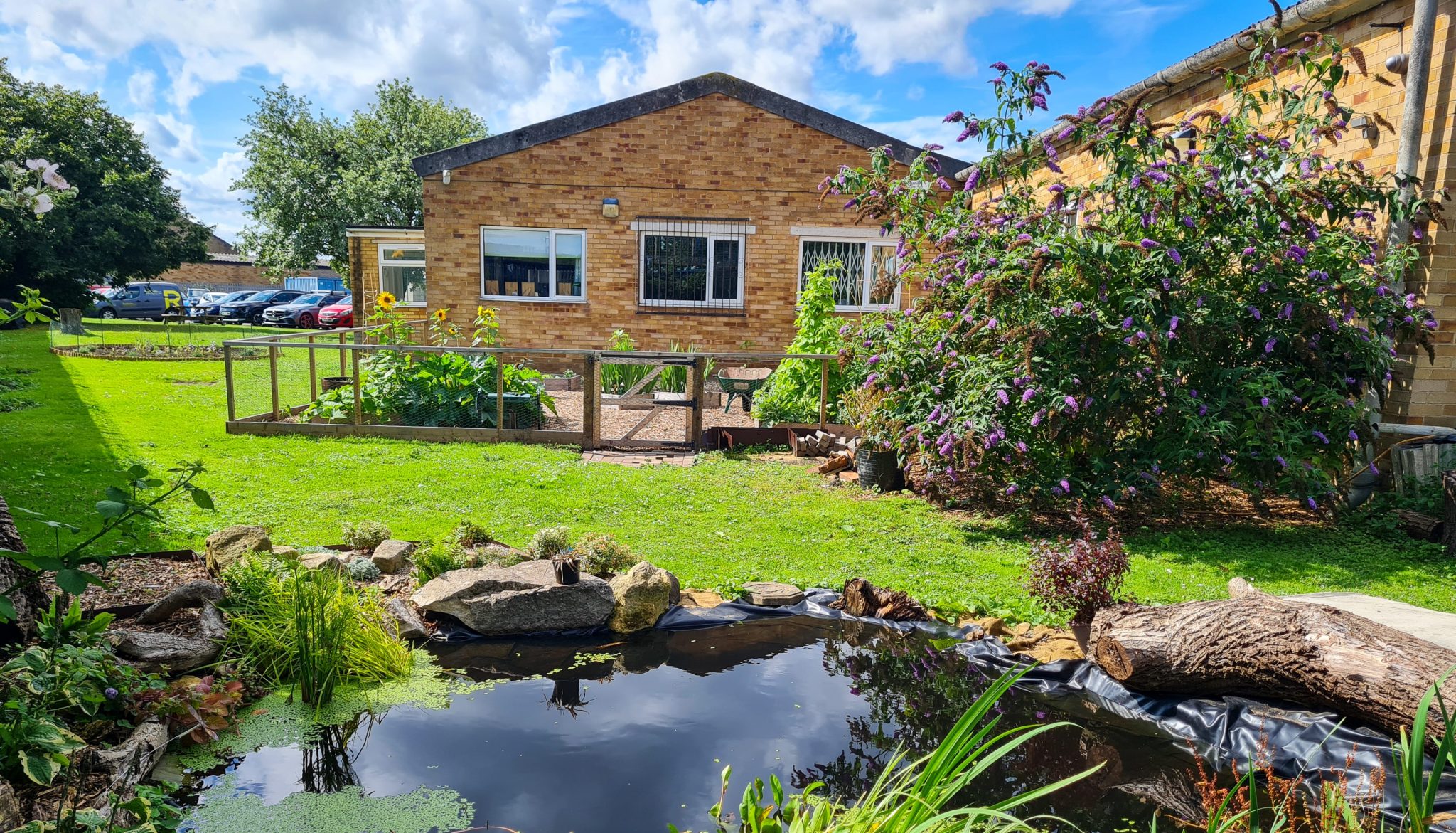
In 2019, we marked an important milestone, celebrating 50 years in our purpose-built premises, a place that continues to be home to our business today.
2020.
The global pandemic reshaped how our clients communicated and operated, accelerating digital collaboration and breaking down geographic barriers. Project management became central to our work as we developed a trusted partner network to deliver broader services, including merchandise, web development, copywriting and animation. Sustainability also became a greater focus.
In 2021, we pledged to become carbon-neutral by 2030 and launched The Paper, our annual publication supporting businesses on their sustainability journey. As our capabilities evolved, we repositioned ourselves as a Creative Production Agency.
Since 2022, we’ve continued to grow our team, expand into sectors such as food manufacturing and charities, and develop marketing and communications platforms.
2024.
For us, sustainability goes beyond the environment; it’s about being a force for good in supporting our communities and our staff. In 2023, we launched a staff volunteering program to support local food banks, and in 2024, to encourage better work-life balance, we introduced a 9-day fortnight, a flexible working pattern that gives staff an extra day off every other week.
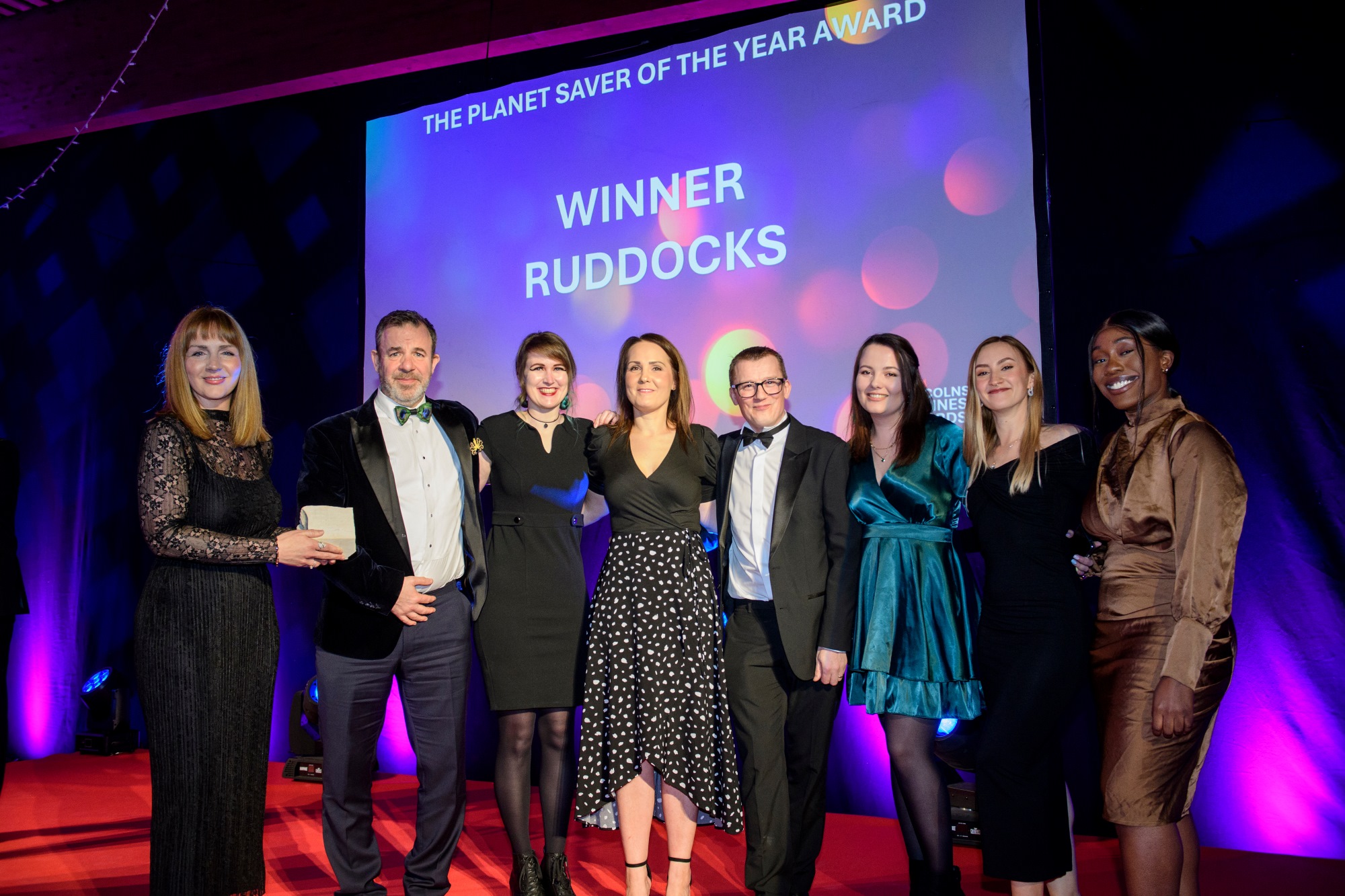
And highlighting our commitment and passion to our holistic approach to sustainability, we were crowned winners of the Plant Saver of the Year Award at the 2024 Lincolnshire Business Awards!
2026.
Our future builds on a remarkable 140-year journey defined by growth, innovation and diversification. We became a certified B Corp in 2025, and remain committed to advancing sustainable innovation and progressing towards a carbon-neutral future.
The continued expansion of digital print, alongside advancements in automation and the exploration of AI, will help simplify processes and unlock new opportunities for our clients.
We are strategically shaping the business to reflect the transformation of recent years and the evolving market around us. With strong values at our core, we will keep investing, innovating and collaborating to drive progress, working with our clients, to make even more possible.
Sustainability
Our heritage and longevity are built on a commitment to being a positive force for the environment. As we work towards our goal of becoming a carbon neutral business by 2030, we are also guiding and supporting our clients on their own sustainability journeys.